|
Mike 'Watchman' Cohen (DR)
|
Report User
|
 |
"There are things worse then the dead in his crosshairs. ((Zombie apocalypse roleplay Dark and taboo. mature roleplay. No rl drama. First and last warning))"
Male
35 years old
Las Vegas,
Nevada
United States
-
Last Login:
October 14 2026
|
|
View My | Pics | Home | Edit Profile | Add Me | Comment | Message
|
|
|
Mike 'Watchman' Cohen (DR)'s Interests
|
|
|
|
Mike 'Watchman' Cohen (DR)'s Details
|
|
Here for:
|
Dating, Networking,
Relationships, Friends,
|
|
Orientation:
|
Straight
|
|
Hometown:
|
Las Vegas
|
|
Body Type:
|
Athletic
|
|
Ethnicity:
|
White/Caucasian
|
|
Smoke / Drink:
|
Yes/Yes
|
|
Education:
|
No Answer
|
|
Religion:
|
I will let you know . . .
|
|
Occupation:
|
Ex Army sniper, SWAT sniper, Survivor.
|
|
Height:
|
6"4'
|
|
|
|
|
Mike 'Watchman' Cohen (DR) is in your extended network.
|
Mike 'Watchman' Cohen (DR)'s Latest Blog Entry [Subscribe to Blog]
[View my Blog]
|
Information on Dead Reckoning.
(view more)
|
|
[View All Blog Entries] |
|
|
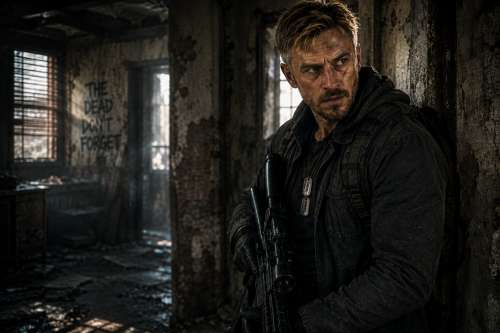
 MICHAEL "WATCHMAN" COHEN
Age: 35
Former Occupation: Las Vegas Metropolitan Police — SWAT Sniper
Military Service: U.S. Army Sniper, Two Combat Tours
Known As: Watchman
Current Status: Survivor / Drifter
Face Claim: Boyd Holbrook
Before the world ended, Michael Cohen had already spent most of his adult life watching other people through glass.
Sometimes they were enemies. Sometimes they were suspects. More often than either, they were the people he had been placed somewhere high above to protect.
Long before the dead walked, Mike learned that survival rarely belonged to the strongest man in the room. It belonged to the patient one. The one who noticed the window nobody else was watching. The one who remembered the road behind them as carefully as the road ahead. The one willing to lie motionless beneath a burning sun for hours because somewhere below him other people were trusting him to see danger before it reached them.
The Army taught him that.
Two combat tours made certain he never forgot it.
Mike became a sniper not because he enjoyed killing, but because he possessed the temperament the work demanded. He could slow himself down when everyone else was speeding up. Chaos narrowed his focus rather than destroying it. Distance, wind, movement, terrain—problems became calculations, calculations became decisions, and decisions were made without hesitation once they needed to be.
His unit eventually stopped worrying quite as much whenever Cohen disappeared onto the high ground.
Somebody was always watching.
It began as a joke.
"Don't worry. Watchman's up."
Eventually nobody remembered who said it first.
Watchman simply became his name.
The nickname followed Mike through two tours, but it was near the end of his second that it became something more than barracks humor.
An operation had gone bad. Mike and members of his unit were pinned down with an enemy force advancing and extraction still minutes away. A helicopter was coming. The problem was surviving long enough to reach it.
Mike found elevation and stayed behind his rifle.
He bought them seconds, then minutes. Every time the enemy attempted to advance, Watchman was waiting. His people began moving toward extraction while Mike remained behind, covering them.
Then a bullet punched through his shoulder.
It entered and exited cleanly, missing bone and major ligaments by margins small enough that doctors later called him lucky. Mike never particularly liked that word.
He stayed in position.
Blood soaked through his uniform. His shoulder screamed whenever he moved it. The helicopter came down through dust and gunfire while someone over the radio told him they were aboard.
Only then did Watchman leave.
Mike came home with his unit alive, a scar through his shoulder, and a military career that was effectively finished.
Civilian life didn't fit him particularly well.
Las Vegas eventually did.
The Las Vegas Metropolitan Police Department gave Mike something he'd been missing since coming home: structure. Purpose followed. His military background and marksmanship eventually carried him into SWAT, where he once again found himself behind a rifle, overlooking people who depended upon him to make the right decision.
There were differences. Enormous ones.
He wasn't fighting a war anymore. A person in his scope wasn't automatically an enemy. Sometimes Mike spent hours watching a window and never touched the trigger.
Those were the good days.
For a while he was simply Cohen.
Mike never told his SWAT team about Watchman. That belonged to another life and other men.
Unfortunately for Mike, cops were curious bastards.
Someone eventually found out.
He arrived one morning to discover his team behaving far too innocently. His helmet had been altered with a custom decal—a solitary watchtower worked into a crosshair with WATCHMAN beneath it. His ordinary COHEN identification patch had disappeared as well.
In its place:
WATCHMAN.
Nobody admitted responsibility.
Mike threatened to throw the damn thing away.
He never did.
Before long, the old phrase had found a new home.
"Watchman's up."
It meant their sniper was in position.
It meant somebody was watching.
And somewhere between rooftops, late-night callouts and coming home exhausted in the morning, Mike built something he hadn't realized he'd been searching for.
A life.
A wife.
A daughter.
For all the places Mike had traveled and all the positions he'd occupied overlooking someone else's world, those two people became the first place that truly felt like home.
Then people started getting sick.
Nobody understood the beginning of the end while they were living through it.
Hospitals filled. Emergency lines became overwhelmed. Rumors spread faster than facts. Videos appeared online showing people attacking one another. Authorities blamed drugs, panic, riots, some unidentified disease—anything that made the impossible remain impossible for another few hours.
Then Mike's daughter developed a fever.
She was sick.
That was all they knew.
Mike was called into work while his wife stayed home with her. Las Vegas was beginning to come apart, and every available officer was needed.
Mike promised he'd come home.
It was an ordinary promise.
He had no idea it would become the one he remembered for the rest of his life.
By the time Michael Cohen returned home, his daughter was dead.
Then she wasn't.
She had turned inside the house and attacked her mother.
Mike found the woman he loved dead and the little girl he would have sacrificed anything to protect standing somewhere nearby wearing his daughter's face.
Years of training took over because there was nothing else left to take over.
Mike killed his daughter.
Later, when his wife began moving again, he killed her too.
The man who had spent his adult life watching over everyone else had been somewhere else when the only two people who truly mattered needed him.
Watchman hadn't been watching.
Something inside Michael Cohen never recovered from that.
The world collapsed remarkably quickly after that.
Governments fractured. Cities burned. Highways became parking lots filled with abandoned cars. Hospitals became death traps. Police departments stopped answering calls because eventually there was nobody left to answer them.
Survivors found one another.
Mike avoided them.
At first, perhaps, it was practical.
One person required less food.
One person made less noise.
One person could move through buildings without discussing every decision. He could sleep wherever he wanted, leave whenever necessary, and disappear through terrain that would slow a larger group.
Mike discovered he was exceptionally good at being alone.
The Army had taught him fieldcraft, navigation, concealment, observation and how to operate with limited supplies. SWAT had refined his patience and taught him how to read urban environments. He understood weapons and knew when firing one would cause more problems than it solved. He learned the habits of the dead, which streets funneled them, which buildings trapped sound, which rooftops provided escape routes and which places that looked safe were actually coffins waiting for someone to close the lid.
He adapted.
His sniper rifle remained valuable, but ammunition became precious and gunshots traveled farther than anyone wanted. The machete on his hip consequently saw considerably more work.
Temporary camps replaced homes.
He might occupy an abandoned ranger station for three nights, an empty warehouse for two, or sleep beneath an overpass before disappearing at sunrise.
He never stayed anywhere long enough to become comfortable.
And he rarely stayed around people long enough for them to become important.
Mike tells himself that's survival.
Somewhere underneath, he knows better.
Isolation means there is nobody left to lose.
MICHAEL "WATCHMAN" COHEN
Age: 35
Former Occupation: Las Vegas Metropolitan Police — SWAT Sniper
Military Service: U.S. Army Sniper, Two Combat Tours
Known As: Watchman
Current Status: Survivor / Drifter
Face Claim: Boyd Holbrook
Before the world ended, Michael Cohen had already spent most of his adult life watching other people through glass.
Sometimes they were enemies. Sometimes they were suspects. More often than either, they were the people he had been placed somewhere high above to protect.
Long before the dead walked, Mike learned that survival rarely belonged to the strongest man in the room. It belonged to the patient one. The one who noticed the window nobody else was watching. The one who remembered the road behind them as carefully as the road ahead. The one willing to lie motionless beneath a burning sun for hours because somewhere below him other people were trusting him to see danger before it reached them.
The Army taught him that.
Two combat tours made certain he never forgot it.
Mike became a sniper not because he enjoyed killing, but because he possessed the temperament the work demanded. He could slow himself down when everyone else was speeding up. Chaos narrowed his focus rather than destroying it. Distance, wind, movement, terrain—problems became calculations, calculations became decisions, and decisions were made without hesitation once they needed to be.
His unit eventually stopped worrying quite as much whenever Cohen disappeared onto the high ground.
Somebody was always watching.
It began as a joke.
"Don't worry. Watchman's up."
Eventually nobody remembered who said it first.
Watchman simply became his name.
The nickname followed Mike through two tours, but it was near the end of his second that it became something more than barracks humor.
An operation had gone bad. Mike and members of his unit were pinned down with an enemy force advancing and extraction still minutes away. A helicopter was coming. The problem was surviving long enough to reach it.
Mike found elevation and stayed behind his rifle.
He bought them seconds, then minutes. Every time the enemy attempted to advance, Watchman was waiting. His people began moving toward extraction while Mike remained behind, covering them.
Then a bullet punched through his shoulder.
It entered and exited cleanly, missing bone and major ligaments by margins small enough that doctors later called him lucky. Mike never particularly liked that word.
He stayed in position.
Blood soaked through his uniform. His shoulder screamed whenever he moved it. The helicopter came down through dust and gunfire while someone over the radio told him they were aboard.
Only then did Watchman leave.
Mike came home with his unit alive, a scar through his shoulder, and a military career that was effectively finished.
Civilian life didn't fit him particularly well.
Las Vegas eventually did.
The Las Vegas Metropolitan Police Department gave Mike something he'd been missing since coming home: structure. Purpose followed. His military background and marksmanship eventually carried him into SWAT, where he once again found himself behind a rifle, overlooking people who depended upon him to make the right decision.
There were differences. Enormous ones.
He wasn't fighting a war anymore. A person in his scope wasn't automatically an enemy. Sometimes Mike spent hours watching a window and never touched the trigger.
Those were the good days.
For a while he was simply Cohen.
Mike never told his SWAT team about Watchman. That belonged to another life and other men.
Unfortunately for Mike, cops were curious bastards.
Someone eventually found out.
He arrived one morning to discover his team behaving far too innocently. His helmet had been altered with a custom decal—a solitary watchtower worked into a crosshair with WATCHMAN beneath it. His ordinary COHEN identification patch had disappeared as well.
In its place:
WATCHMAN.
Nobody admitted responsibility.
Mike threatened to throw the damn thing away.
He never did.
Before long, the old phrase had found a new home.
"Watchman's up."
It meant their sniper was in position.
It meant somebody was watching.
And somewhere between rooftops, late-night callouts and coming home exhausted in the morning, Mike built something he hadn't realized he'd been searching for.
A life.
A wife.
A daughter.
For all the places Mike had traveled and all the positions he'd occupied overlooking someone else's world, those two people became the first place that truly felt like home.
Then people started getting sick.
Nobody understood the beginning of the end while they were living through it.
Hospitals filled. Emergency lines became overwhelmed. Rumors spread faster than facts. Videos appeared online showing people attacking one another. Authorities blamed drugs, panic, riots, some unidentified disease—anything that made the impossible remain impossible for another few hours.
Then Mike's daughter developed a fever.
She was sick.
That was all they knew.
Mike was called into work while his wife stayed home with her. Las Vegas was beginning to come apart, and every available officer was needed.
Mike promised he'd come home.
It was an ordinary promise.
He had no idea it would become the one he remembered for the rest of his life.
By the time Michael Cohen returned home, his daughter was dead.
Then she wasn't.
She had turned inside the house and attacked her mother.
Mike found the woman he loved dead and the little girl he would have sacrificed anything to protect standing somewhere nearby wearing his daughter's face.
Years of training took over because there was nothing else left to take over.
Mike killed his daughter.
Later, when his wife began moving again, he killed her too.
The man who had spent his adult life watching over everyone else had been somewhere else when the only two people who truly mattered needed him.
Watchman hadn't been watching.
Something inside Michael Cohen never recovered from that.
The world collapsed remarkably quickly after that.
Governments fractured. Cities burned. Highways became parking lots filled with abandoned cars. Hospitals became death traps. Police departments stopped answering calls because eventually there was nobody left to answer them.
Survivors found one another.
Mike avoided them.
At first, perhaps, it was practical.
One person required less food.
One person made less noise.
One person could move through buildings without discussing every decision. He could sleep wherever he wanted, leave whenever necessary, and disappear through terrain that would slow a larger group.
Mike discovered he was exceptionally good at being alone.
The Army had taught him fieldcraft, navigation, concealment, observation and how to operate with limited supplies. SWAT had refined his patience and taught him how to read urban environments. He understood weapons and knew when firing one would cause more problems than it solved. He learned the habits of the dead, which streets funneled them, which buildings trapped sound, which rooftops provided escape routes and which places that looked safe were actually coffins waiting for someone to close the lid.
He adapted.
His sniper rifle remained valuable, but ammunition became precious and gunshots traveled farther than anyone wanted. The machete on his hip consequently saw considerably more work.
Temporary camps replaced homes.
He might occupy an abandoned ranger station for three nights, an empty warehouse for two, or sleep beneath an overpass before disappearing at sunrise.
He never stayed anywhere long enough to become comfortable.
And he rarely stayed around people long enough for them to become important.
Mike tells himself that's survival.
Somewhere underneath, he knows better.
Isolation means there is nobody left to lose.
|
 There are pieces of Watchman that Mike hasn't managed to leave behind.
His old sniper rifle still carries the marking.
Years of scratches, dirt and weather have worn at it, but WATCHMAN remains visible to anyone who looks closely enough.
Beneath his shirt hang his old dog tags. Among them is another tag something far less official, made years ago by men who once trusted him to bring them home.
Mike almost never talks about it.
The old SWAT helmet bearing the Watchman decal survives too, buried among possessions he can't quite convince himself to abandon despite having little practical reason to keep them.
Occasionally someone recognizes the name.
An old soldier. A cop. A dispatcher. Someone who remembers Las Vegas before it became a graveyard.
"Watchman?"
Mike usually wishes they hadn't.
Because he doesn't believe that man exists anymore.
Watchman protected people.
Mike survived them.
The past nevertheless refuses to stay buried.
His shoulder still aches sometimes. Long days carrying a pack can wake the old injury. Cold rain makes it worse. Spending too many hours behind a rifle can leave the scar burning beneath his shirt.
Sometimes the pain is simply pain.
Other times Mike hears helicopter rotors that aren't there.
Dust fills his mouth.
A voice crackles across a radio somewhere inside his memory.
We're clear. Come home.
Then the moment passes.
Children are harder.
Mike doesn't fall apart whenever he sees one. Usually the opposite happens. He becomes quieter. More distant. Sometimes overly watchful without realizing it.
A little girl's laughter can follow him long after he's left a camp.
A discarded stuffed animal inside an abandoned house can make him stand in a doorway longer than he should.
Watching a father carry his sleeping daughter may be enough to make Mike leave before morning.
A sick child is worse.
A fever is worse.
"She's probably just sick."
Those words can drag him somewhere he desperately doesn't want to go.
His nightmares occasionally mix lives that should remain separate. Mike finds himself overseas again, looking through his scope while his unit waits below. He hears the helicopter approaching and someone tells Watchman they're ready for extraction.
Then he looks through the glass.
His house is on the other side.
His daughter is standing in the window.
He tries to reach her.
He never does.
Mike rarely wakes screaming. Usually he simply opens his eyes already reaching for a weapon.
Afterward, sleep is finished for the night.
So he cleans his rifle.
Counts ammunition.
Checks the perimeter.
Then checks it again.
Control became another form of survival.
Mike chooses places to sleep where he can see entrances. He notices exits without deliberately looking for them. He studies rooftops, windows and hands. Sudden gunfire sends him toward cover before conscious thought catches up. Helicopters create feelings he has never bothered trying to explain.
He dislikes goodbyes.
Usually he avoids them entirely.
By the time someone realizes Mike intends to leave, he's already gone.
For everything he has endured, Michael Cohen isn't heartless.
That's something he'd probably prefer people didn't discover.
He has left canned food somewhere a starving family would find it and convinced himself the weight was slowing him down.
He has watched strangers through his scope longer than necessary because something about their situation bothered him.
Walkers have dropped near survivors who never knew there was a sniper on the ridge.
Travelers sometimes discover warnings scratched onto signs before dangerous stretches of road.
Mike does these things without expecting gratitude because gratitude requires conversation, conversation creates familiarity, and familiarity is dangerous.
Every once in a while, however, someone gets through.
He'll sit beside a campfire.
He'll accept a drink.
He'll make some dry remark that surprises people into laughing.
For a few minutes Michael Cohen can almost look like someone who belongs among the living.
Then someone asks him to stay.
And suddenly walking into a world filled with the dead seems easier.
Because Mike doesn't fear walkers nearly as much as people think he does.
Walkers are predictable.
Attachment isn't.
Loss isn't.
Love certainly isn't.
The dead can kill him.
The living can give him something worth losing again.
So Mike keeps moving.
A scarred rifle rides with him. Old dog tags rest beneath his shirt. Somewhere among his possessions is a battered helmet carrying the emblem of a man Mike insists died with the old world.
Yet every time he climbs onto high ground and watches over strangers below, every time someone survives a danger they never saw because a rifle cracked somewhere in the distance, something of that man remains.
Michael Cohen already knows how to survive the end of the world.
The Army taught him how to endure a battlefield.
SWAT taught him how to protect people from a distance.
The apocalypse taught him how to live without anyone.
His story isn't about learning how to survive.
It's about discovering whether survival is enough.
And perhaps, someday, when someone below looks toward the ridge and realizes Mike Cohen is still up there watching over them, the words will mean something again.
Don't worry.
Watchman's up.
There are pieces of Watchman that Mike hasn't managed to leave behind.
His old sniper rifle still carries the marking.
Years of scratches, dirt and weather have worn at it, but WATCHMAN remains visible to anyone who looks closely enough.
Beneath his shirt hang his old dog tags. Among them is another tag something far less official, made years ago by men who once trusted him to bring them home.
Mike almost never talks about it.
The old SWAT helmet bearing the Watchman decal survives too, buried among possessions he can't quite convince himself to abandon despite having little practical reason to keep them.
Occasionally someone recognizes the name.
An old soldier. A cop. A dispatcher. Someone who remembers Las Vegas before it became a graveyard.
"Watchman?"
Mike usually wishes they hadn't.
Because he doesn't believe that man exists anymore.
Watchman protected people.
Mike survived them.
The past nevertheless refuses to stay buried.
His shoulder still aches sometimes. Long days carrying a pack can wake the old injury. Cold rain makes it worse. Spending too many hours behind a rifle can leave the scar burning beneath his shirt.
Sometimes the pain is simply pain.
Other times Mike hears helicopter rotors that aren't there.
Dust fills his mouth.
A voice crackles across a radio somewhere inside his memory.
We're clear. Come home.
Then the moment passes.
Children are harder.
Mike doesn't fall apart whenever he sees one. Usually the opposite happens. He becomes quieter. More distant. Sometimes overly watchful without realizing it.
A little girl's laughter can follow him long after he's left a camp.
A discarded stuffed animal inside an abandoned house can make him stand in a doorway longer than he should.
Watching a father carry his sleeping daughter may be enough to make Mike leave before morning.
A sick child is worse.
A fever is worse.
"She's probably just sick."
Those words can drag him somewhere he desperately doesn't want to go.
His nightmares occasionally mix lives that should remain separate. Mike finds himself overseas again, looking through his scope while his unit waits below. He hears the helicopter approaching and someone tells Watchman they're ready for extraction.
Then he looks through the glass.
His house is on the other side.
His daughter is standing in the window.
He tries to reach her.
He never does.
Mike rarely wakes screaming. Usually he simply opens his eyes already reaching for a weapon.
Afterward, sleep is finished for the night.
So he cleans his rifle.
Counts ammunition.
Checks the perimeter.
Then checks it again.
Control became another form of survival.
Mike chooses places to sleep where he can see entrances. He notices exits without deliberately looking for them. He studies rooftops, windows and hands. Sudden gunfire sends him toward cover before conscious thought catches up. Helicopters create feelings he has never bothered trying to explain.
He dislikes goodbyes.
Usually he avoids them entirely.
By the time someone realizes Mike intends to leave, he's already gone.
For everything he has endured, Michael Cohen isn't heartless.
That's something he'd probably prefer people didn't discover.
He has left canned food somewhere a starving family would find it and convinced himself the weight was slowing him down.
He has watched strangers through his scope longer than necessary because something about their situation bothered him.
Walkers have dropped near survivors who never knew there was a sniper on the ridge.
Travelers sometimes discover warnings scratched onto signs before dangerous stretches of road.
Mike does these things without expecting gratitude because gratitude requires conversation, conversation creates familiarity, and familiarity is dangerous.
Every once in a while, however, someone gets through.
He'll sit beside a campfire.
He'll accept a drink.
He'll make some dry remark that surprises people into laughing.
For a few minutes Michael Cohen can almost look like someone who belongs among the living.
Then someone asks him to stay.
And suddenly walking into a world filled with the dead seems easier.
Because Mike doesn't fear walkers nearly as much as people think he does.
Walkers are predictable.
Attachment isn't.
Loss isn't.
Love certainly isn't.
The dead can kill him.
The living can give him something worth losing again.
So Mike keeps moving.
A scarred rifle rides with him. Old dog tags rest beneath his shirt. Somewhere among his possessions is a battered helmet carrying the emblem of a man Mike insists died with the old world.
Yet every time he climbs onto high ground and watches over strangers below, every time someone survives a danger they never saw because a rifle cracked somewhere in the distance, something of that man remains.
Michael Cohen already knows how to survive the end of the world.
The Army taught him how to endure a battlefield.
SWAT taught him how to protect people from a distance.
The apocalypse taught him how to live without anyone.
His story isn't about learning how to survive.
It's about discovering whether survival is enough.
And perhaps, someday, when someone below looks toward the ridge and realizes Mike Cohen is still up there watching over them, the words will mean something again.
Don't worry.
Watchman's up.
|
|
|
Mike 'Watchman' Cohen (DR)'s Friend |
|
|